
E-mail marketing
· 3 min read
Discover the power of E-mail marketing for your business. Learn how to engage customers effectively today.
What is E-mail marketing?
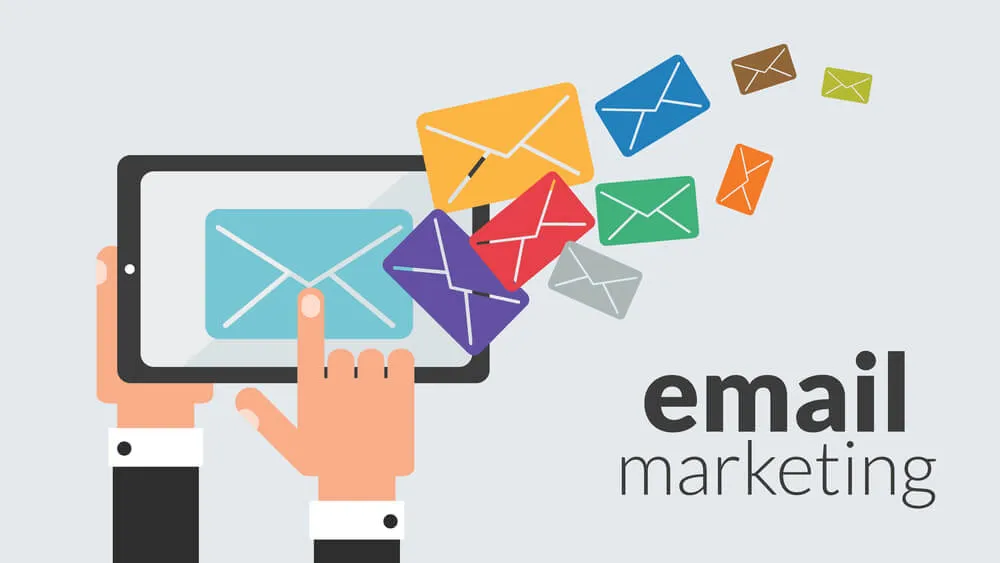
E-mail marketing connects you directly with customers. You send promotional messages via email. These messages can include offers, updates, or news about your business. This method allows targeted communication with your audience.
Unlike traditional ads, e-mail marketing feels more personal. It helps you craft messages that resonate with individual customers. This can lead to higher engagement and better relationships.
Benefits of E-mail marketing
E-mail marketing has many advantages for businesses. First, it is cost-effective compared to other methods. You can reach a large audience without spending a lot.
Second, it allows for real-time communication. You can send promotions instantly and track their performance. This helps you see what works and what doesn’t.
Finally, e-mail marketing can drive sales. When done well, it can convert leads into customers. This makes it a strong tool for boosting revenue.
Creating a successful E-mail marketing campaign
To succeed in e-mail marketing, start by building a strong subscriber list. Offer valuable content to encourage sign-ups. This could be discounts, free resources, or exclusive updates.
Next, focus on creating engaging content. Use catchy subject lines and clear calls to action. Make your messages visually appealing with images and graphics.
Lastly, analyze your campaigns regularly. Testing different approaches will help refine your strategy. Understanding your audience's preferences is key to success.
Common challenges in E-mail marketing
While e-mail marketing is effective, it comes with challenges. One common issue is low open rates. If your subject lines are not engaging, subscribers may ignore your emails.
Another challenge is managing your subscriber list. Keeping your list updated is crucial for maintaining engagement. Remove inactive subscribers to improve your metrics.
Lastly, compliance with regulations is essential. Ensure you follow laws regarding data protection and privacy. This builds trust with your audience.
Key Takeaways on E-mail marketing
E-mail marketing is a powerful tool for reaching customers. Building a solid subscriber list is essential for success.
Crafting engaging content will help improve open rates and conversions. Regularly analyze your campaigns to refine your approach.
Overcoming common challenges will enhance your e-mail marketing efforts.
Learn more about Marketing me Email.
Learn more about Krijim Strategjie Përmbajtjeje.
Frequently Asked Questions
How much does E-mail marketing cost?
The cost of E-mail marketing varies based on your tools and strategy. Many platforms offer free trials or tiered pricing based on the number of subscribers. It's essential to choose a plan that fits your budget and needs.
How long does it take to set up an E-mail marketing campaign?
Setting up an E-mail marketing campaign can take anywhere from a few hours to a few days. It depends on how quickly you can build your subscriber list and create your content. Planning is key to a successful launch.
What type of content should I include in my E-mail marketing?
Your content should be valuable and relevant to your audience. Consider including promotions, updates, tips, or educational resources. The goal is to engage and inform your subscribers.
Is E-mail marketing suitable for all businesses?
Yes, E-mail marketing can benefit businesses of all sizes and sectors. It allows for targeted communication and can be tailored to fit various audiences. It's a versatile tool for any marketing strategy.
How can I improve my E-mail marketing open rates?
To improve open rates, focus on crafting compelling subject lines. Personalization can also help. Additionally, segmenting your audience allows you to send more relevant content, which can increase engagement.
Key takeaways
- E-mail marketing effectively reaches potential customers.
- A strong subscriber list is crucial for success.
- Engaging content increases open rates and conversions.
- Regular analysis helps improve future campaigns.