
Web Design
· 3 min read
Web Design is essential for effective online presence. Discover how to create engaging websites that meet user needs.
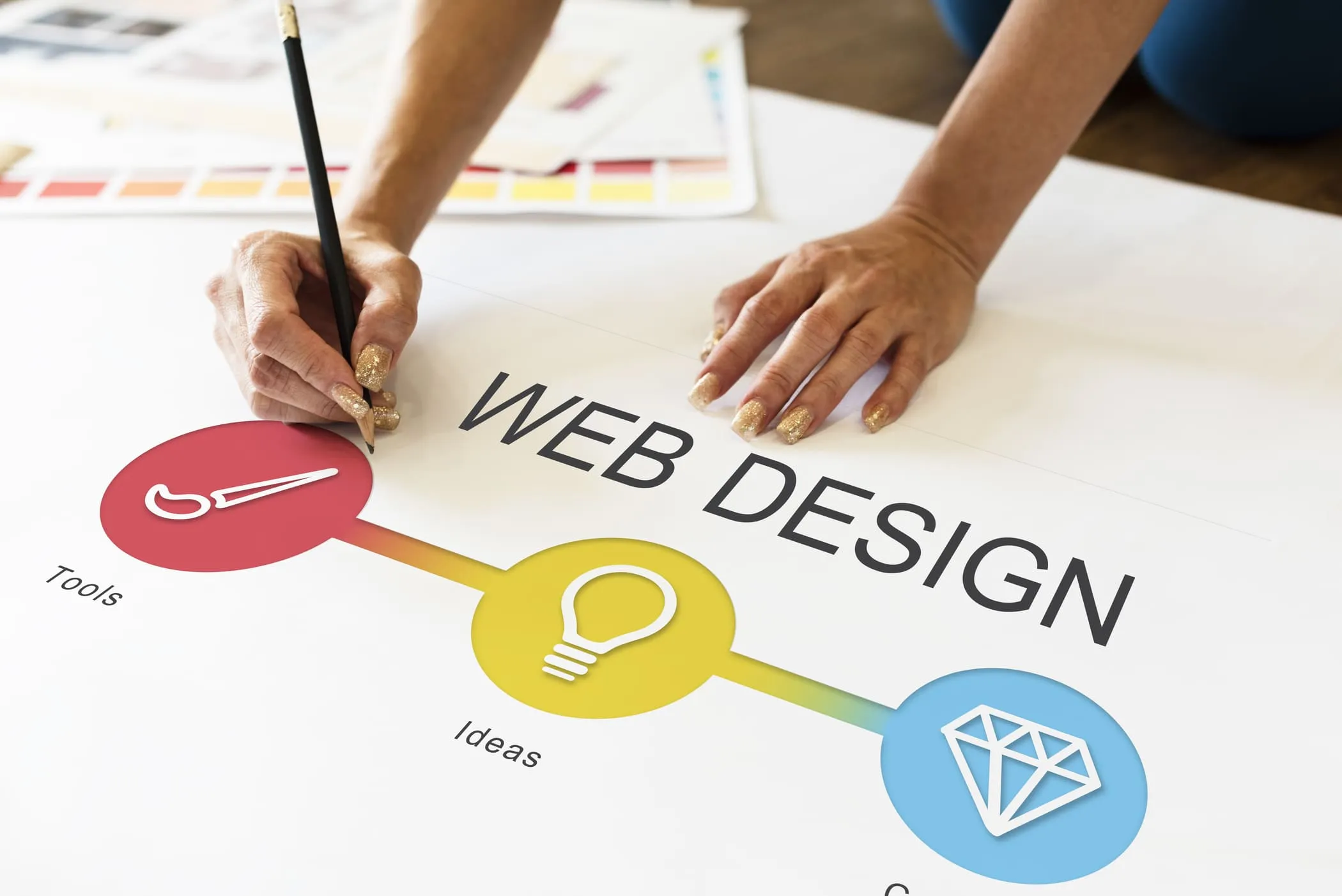
Understanding Web Design
Web Design is a crucial process for creating effective websites. It blends aesthetics and functionality. A well-designed site attracts visitors and keeps them engaged. It involves planning, designing, and implementing various elements. This ensures a seamless user experience.
The Role of User Experience in Web Design
User Experience (UX) is central to Web Design. It focuses on how users interact with your site. A good UX designer understands user needs and behaviors. They create designs that are intuitive and easy to navigate. This enhances satisfaction and encourages return visits.
Key Steps in the Web Design Process
The Web Design process begins with defining your goals. Identify your target audience and their needs. Next, create a site structure and outline content. Sketch design elements like colors and layouts. Finally, code the site and test it across different browsers.
Importance of Wireframes in Web Design
Wireframes are essential in Web Design. They serve as blueprints for your site. Creating wireframes helps visualize the layout and functionality. This stage allows for adjustments before finalizing the design. It's a collaborative effort that ensures all team members are aligned.
Testing and Optimizing Your Website
Once your site is live, testing is vital. Check for usability issues and fix any bugs. Optimization improves performance and user experience. This includes speeding up load times and ensuring mobile compatibility. Regular updates keep your website relevant and functional.
Maintaining Your Web Design
Ongoing maintenance is key to a successful website. Regularly update content and check for technical issues. Engage with user feedback to improve the site. This ensures your website continues to meet user needs and remains competitive.
Learn more about Optimizimi i motorëve të kërkimit.
Learn more about Analizë e performancës së website.
Source: Web Design standards and practices.
Frequently Asked Questions
How long does it take to design a website?
The time to design a website varies based on complexity. Simple sites may take a few weeks, while more complex projects can take several months. It's important to plan and allocate enough time for each phase.
What is the cost of web design?
Costs can vary widely depending on the features and complexity of the site. Basic websites may be more affordable, while custom designs can be pricier. It's best to discuss your needs with a designer for an accurate quote.
Can I update my website myself?
Yes, many web design platforms allow you to easily update your content. However, for more complex changes, you may need professional help. It's beneficial to choose a platform that suits your technical skills.
What if I need help after my site is launched?
Most web design services offer ongoing support after launch. This can include maintenance, updates, and troubleshooting. Ensure you discuss support options when choosing a designer.
How do I know if my website is effective?
You can measure effectiveness through user engagement metrics, such as bounce rates and time spent on the site. Tools like Google Analytics can provide valuable insights into user behavior.
Key takeaways
- Web Design is a multi-step process that requires careful planning.
- User Experience plays a crucial role in keeping visitors engaged.
- Wireframes help visualize the design and ensure team collaboration.
- Testing and optimization are critical for a successful website.
- Regular maintenance keeps your site relevant and user-friendly.